Not every F-150 is the same truck, and we tell that to every shopper who walks into Bay Cars on W 15th Street. A 2019 and a 2016 both wear the F-150 badge on the tailgate, yet they carry very different histories. One of them sits under a major active recall, and the owner notification letters only went out in July 2026.
Here's what you really need to know before you buy.
Browse our current used F-150 inventory at Bay Cars
- Sweet-spot years: 2019-2020 (13th-gen aluminum body with early bugs worked out, settled 6-speed and 10-speed transmissions, manageable recall load)
- Strong runner-up: 2022-2023 (14th-gen with the debut chaos behind it; skip the PowerBoost hybrid if reliability is your priority)
- Years to verify carefully: 2015, 2016, 2017. A 2026 NHTSA recall (26V237000) covers nearly 1.4 million of these trucks for an unexpected transmission downshift; confirm the recall was completed on any truck you're considering
- 2021 carries the heaviest recall burden of the modern era (29 NHTSA recalls documented); always run the VIN before you buy
- Engine matters as much as the year. The 5.0L Coyote V8 and the 2018+ 2.7L EcoBoost are the reliability standouts; early EcoBoosts (2011-2014) and the PowerBoost hybrid deserve extra scrutiny
Which Years Are the Sweet Spot?
The 2019 and 2020 F-150s are where we'd start our own search, because by then Ford had worked the aluminum-body growing pains out of the 2015-2017 trucks and settled the EcoBoost engines, though you still want to run the VIN on any single truck before you trust it. By then, Ford had corrected the aluminum-body growing pains that plagued the 2015-2017 trucks, and the EcoBoost engines from 2018 onward had cleared the intercooler condensation and carbon-buildup issues that showed up in the 2011-2014 generation. You're getting a truck that already absorbed the first-gen lessons without inheriting the 14th-generation debut headaches that hit in 2021.
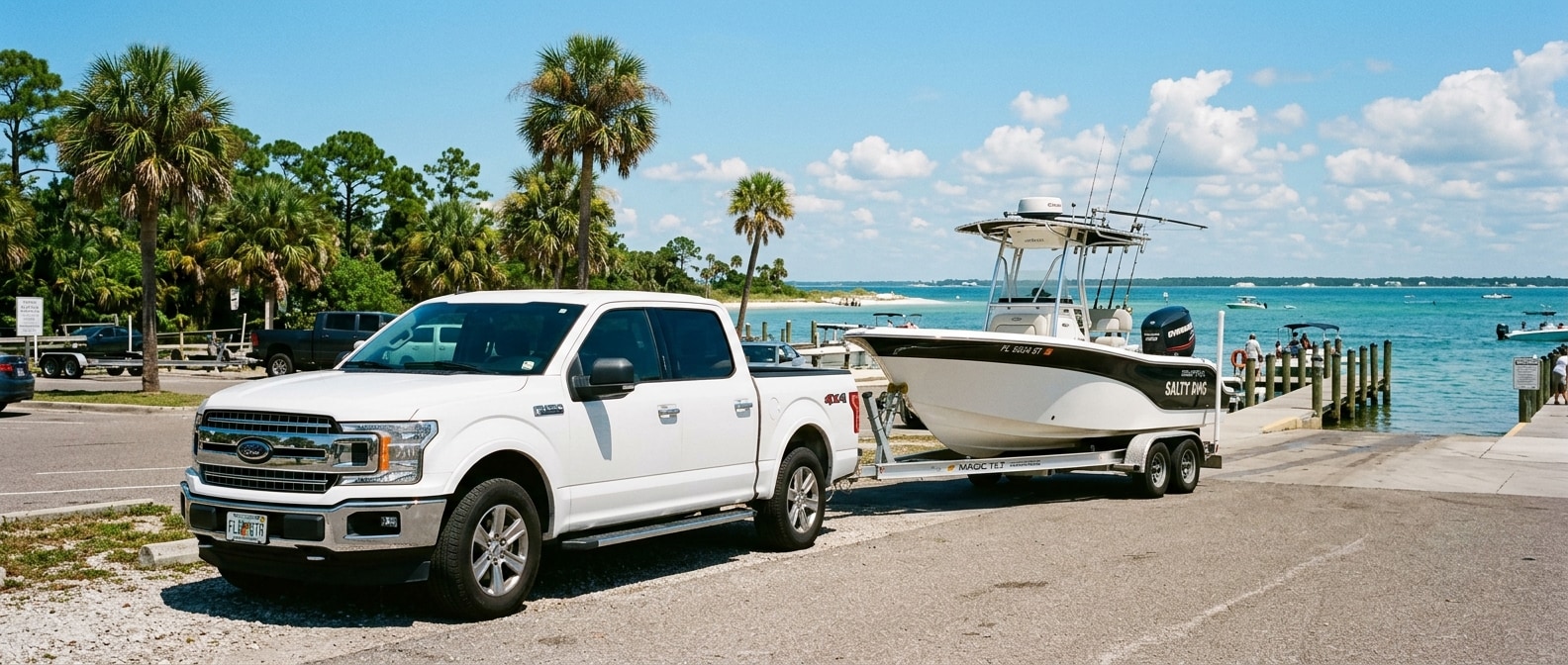
These years also land in a reasonable mileage window for Gulf Coast buyers who work a truck hard. Think hauling a cooler down to St. Andrews State Park, trailing a center-console boat to the bay, running a load of materials to a job site in Callaway. You want the work done, plain and simple.
| Model Years | Generation | Sweet Spot? | Watch For | Why It Matters Here |
|---|---|---|---|---|
| 2015-2017 | 13th (aluminum intro) | Proceed with caution | NHTSA recall 26V237000 (1.4M trucks, 6-speed transmission) | Unexpected downshift to 2nd gear. Verify recall completion on VIN before purchase. |
| 2018-2020 | 13th (settled) | Yes | Battery fastener recall on some 2019-2020 (run VIN) | EcoBoost issues corrected; lower complaint volume than early aluminum years |
| 2021 | 14th (debut) | Verify heavily | 29 NHTSA recalls; rear axle bolt recall (23S65) on Tow Max-equipped trucks | Heaviest recall load of the modern generation |
| 2022-2023 | 14th (stabilized) | Yes (with caveats) | Rear axle bolt recall extended to some 2023 Tow Max models (25S82) | More settled than 2021; avoid PowerBoost hybrid for max reliability |
| 2024-2025 | 14th (current used supply) | Good, higher price | Fewer in the used market yet; still working through some 10-speed concerns | Newer, but used supply is thin and prices reflect it |
The 2018-2020 window gives you the best mix of settled engineering, real used-market supply, and enough model-year distance that the first owner has already taken the depreciation hit.
Which Years Should You Watch Out For?
The years to watch most closely are 2015, 2016, and 2017, because a 2026 NHTSA recall now covers nearly 1.4 million of those trucks for an unexpected downshift, and only a completed repair puts the worry to rest on any given truck. Don't skip this step. In April 2026, NHTSA opened recall campaign 26V237000 covering nearly 1.4 million F-150 trucks from those three model years. The problem is a set of electrical connections in the 6-speed transmission that can degrade, which causes an unexpected downshift into second gear while driving. Ford issued owner notification letters for this recall in July 2026, which means a significant number of affected trucks haven't been remediated yet.
See our current pre-owned truck inventory
Per NHTSA, the fix is a powertrain control module software update. It's free. But "free" only helps if the previous owner brought the truck in. Any 2015-2017 F-150 with the 6-speed automatic that comes your way deserves a VIN check at nhtsa.gov before you sign anything.
Redesign years tend to run heavier on recalls. The 2021 truck is a clear example.
Ford redesigned the F-150 for 2021, and redesign years carry more recalls while the engineering settles. Per NHTSA data, the 2021 model logged 29 recalls, roughly three times the count of the settled 2019 and 2020 models. One of the most significant is recall 23S65 (expanded as 25S82), which covers 2021-2023 trucks equipped with the Trailer Tow Max Duty package and a 9.75-inch heavy-duty rear axle. Per NHTSA's official filing, the rear axle hub bolt may fatigue and break, which can damage the axle hub splines and cause a loss of drive power or an unintended rollaway when in park. If you're buying a 2021-2023 truck with the Tow Max package, run the VIN. The repair (replacement of the rear axle shaft assemblies) is performed free of charge by dealers.
Explore financing options at Bay Cars
What Makes a Good Used F-150 for Gulf Coast Buyers?
Engine choice matters as much as model year here, and it cuts across every generation, so a good F-150 for the Gulf Coast comes down to matching the powertrain to salt air, summer heat, and a trailer on the hitch, with the caveat that no engine saves a truck that skipped its maintenance.
The 5.0L Coyote V8 is the durability standout. With no turbo to heat-soak in Florida summers, it stays simple, and that simplicity shows up in the service record. The 2.7L EcoBoost (2018 and later specifically) is a strong alternative. Lighter and more efficient, it also carries fixes for the intercooler issues that dogged the early generation. For towing a boat to St. Andrews or running a work trailer down US-98, the 2.7L covers most needs without the fuel penalty of the bigger engines. The EPA rates the 2.7L EcoBoost F-150 at 19 city / 25 highway MPG (2WD configuration). Those numbers earn their keep when the truck runs daily duty between hauling trips.
Steer clear of the PowerBoost full hybrid on a used purchase if reliability is your top concern. That powertrain earned low reliability scores in early years, and the added complexity of the hybrid system is a meaningful variable in a used vehicle you can't fully vet.
Which Year Fits Which Buyer?
The right model year comes down to what you actually do with the truck, so a contractor and a weekend boat hauler will land on different years, and none of these picks is worth trusting until the VIN checks out clean.
You're a contractor or work-truck buyer who needs proven dependability and doesn't need the newest features. A 2018-2020 F-150 with the 5.0L V8 or 2.7L EcoBoost hits that target well. The engineering is settled, the recall headaches are documented and mostly resolved, and parts availability is excellent.
If you haul a boat or a trailer regularly and want modern tech (Pro Trailer Backup Assist, adaptive cruise, available 360-degree camera), a 2022-2023 non-Tow-Max-package truck avoids the rear axle bolt recall entirely and gets you the 14th-generation interior upgrades without the 2021 debut baggage. Confirm the VIN either way.
If you're budget-first and comfortable doing the recall homework, a 2019 or 2020 is probably your move. These trucks have been on the road long enough that most active recalls are already resolved, parts are affordable, and the aluminum body has proven itself in coastal climates when properly maintained.
If you want the newest possible used truck, the 2024-2025 models are entering the used market now, but supply is thin and prices reflect it. Patience gets you a better deal as supply grows.
Value your trade-in online before you come in
The Bay Cars team is at 615 W. 15th St. in Panama City. Come walk the lot with us, and we'll run the VIN on any truck you're considering right there.
Frequently Asked Questions
What's the most reliable used Ford F-150 engine?
The 5.0L Coyote V8 has the best long-term durability track record among F-150 engines, and the 2.7L EcoBoost from 2018 onward is a close second for buyers who want better fuel economy. Earlier EcoBoost engines (2011-2014) have documented intercooler condensation issues that can cause misfires and power loss, so those years deserve extra scrutiny if they're paired with the turbo six.
Do I need to worry about the 2015-2017 F-150 transmission recall?
Yes, and it's more current than many buyers realize. NHTSA opened recall campaign 26V237000 in 2026, covering nearly 1.4 million 2015, 2016, and 2017 F-150 trucks with the 6-speed automatic for an unexpected downshift into second gear. Owner notification letters went out in July 2026. Before you buy any truck in that year range, run the VIN at nhtsa.gov to confirm whether the PCM software update has been completed.
Is the 2021 Ford F-150 worth buying used?
It can be, but it needs more homework than other years. The 2021 model carries 29 NHTSA recalls (the highest count in the current generation). The most significant is the rear axle hub bolt recall (NHTSA 23S65), which affects 2021-2023 trucks with the Trailer Tow Max Duty package. If you're looking at a 2021, run the VIN, confirm all recalls are resolved, and consider skipping the Tow Max-equipped trucks unless you've verified the axle shaft repair was completed by a dealer.